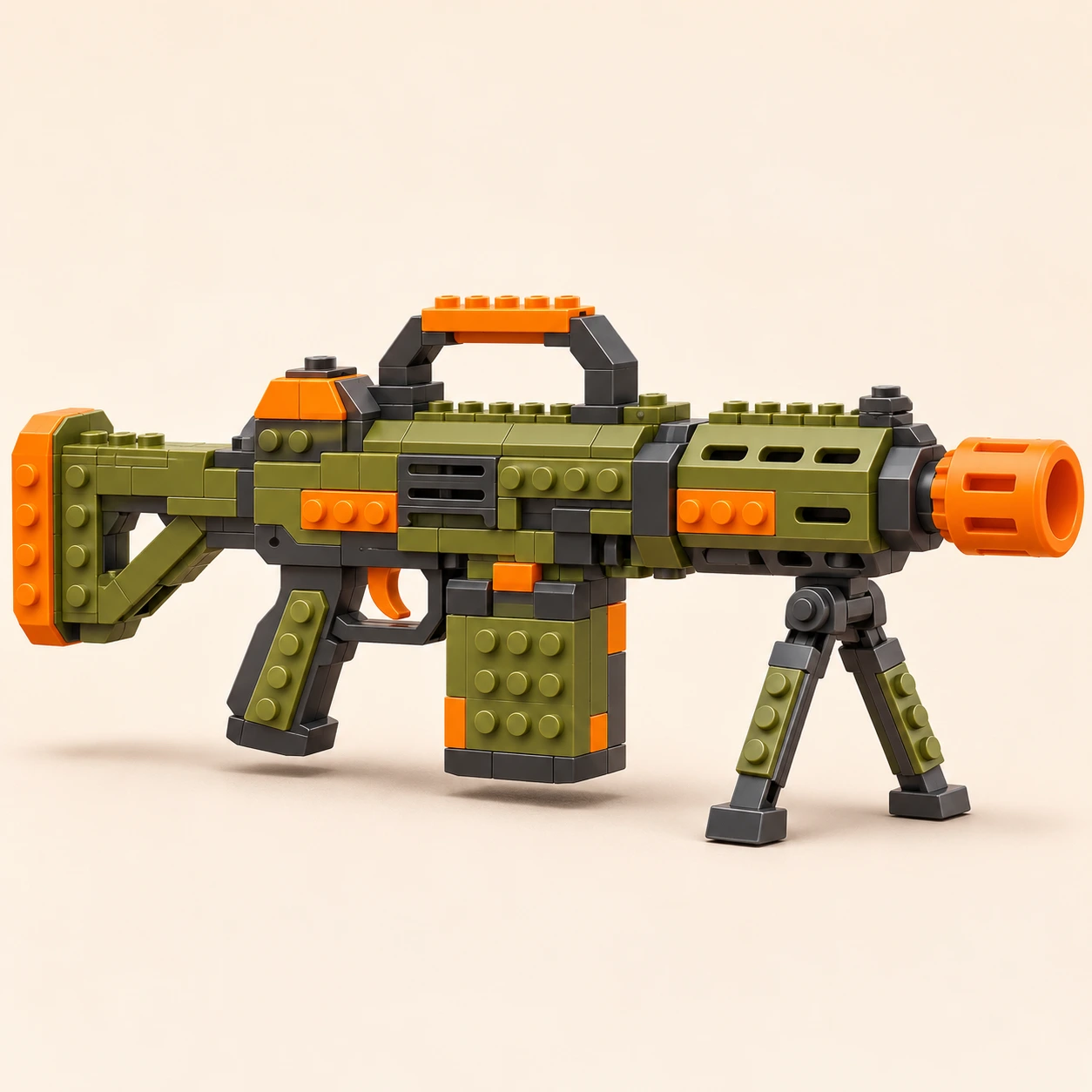
Quimbleshaw M72 Brickstorm
Larger support-style body; chunky olive-and-orange exterior.
Explore this design
QUIMBLESHAW / TOY-BLASTER TECHNOLOGY
Modular bricks, PulseCore controls and SoftFlight material research—explained through the Quimbleshaw family workshop.
THE DESIGN APPROACH
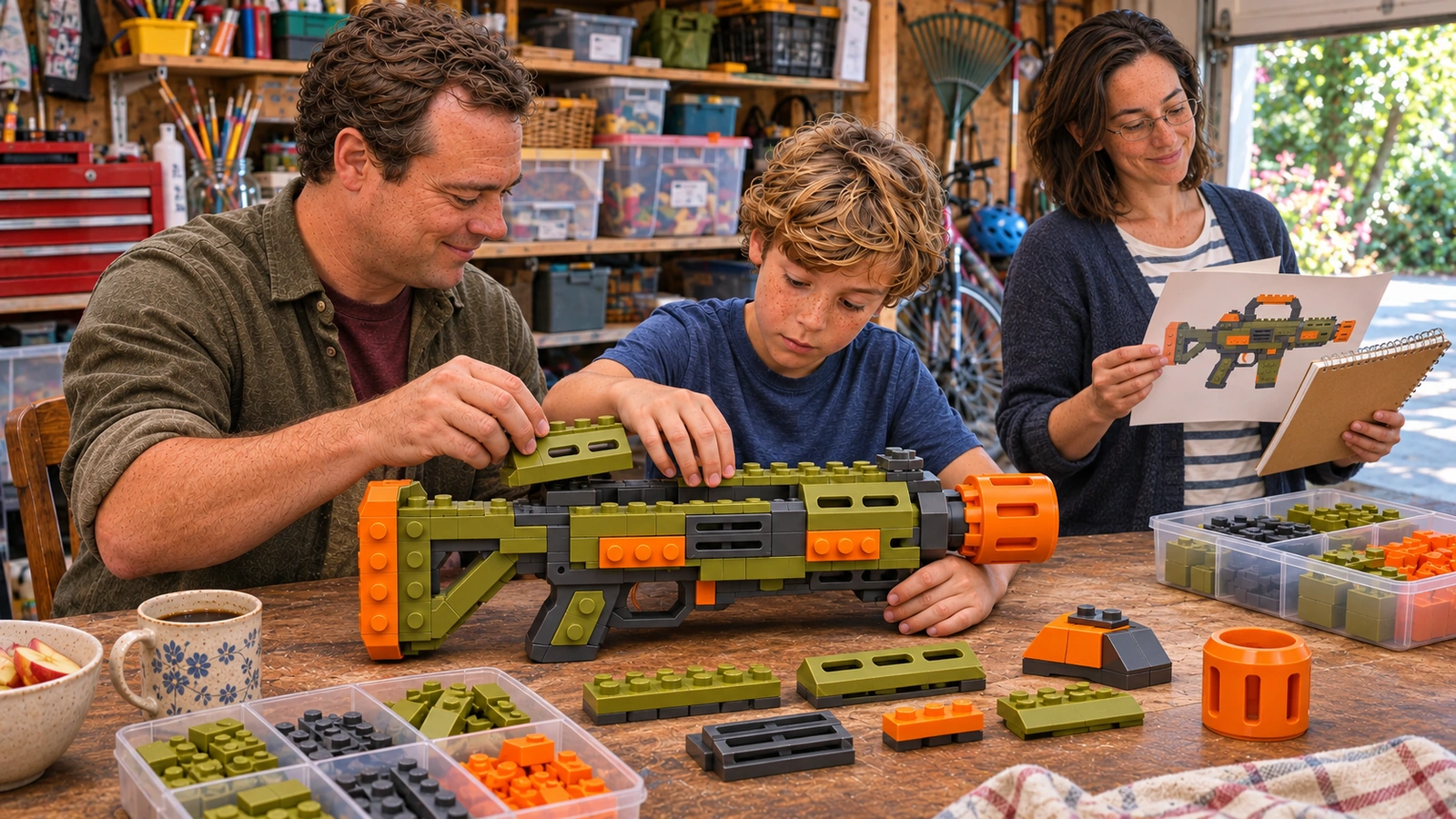
The outer body, controls, power source, projectile and instructions all affect the experience. Our glossary gives those ideas names; this page explains the role of each one and the questions a useful evaluation needs to answer.
Workshop scenes are illustrations. Diagrams explain functional relationships, not assembly instructions. Runtime and range figures are labelled design targets, not published test results.
01 / MECHANICAL ARCHITECTURE
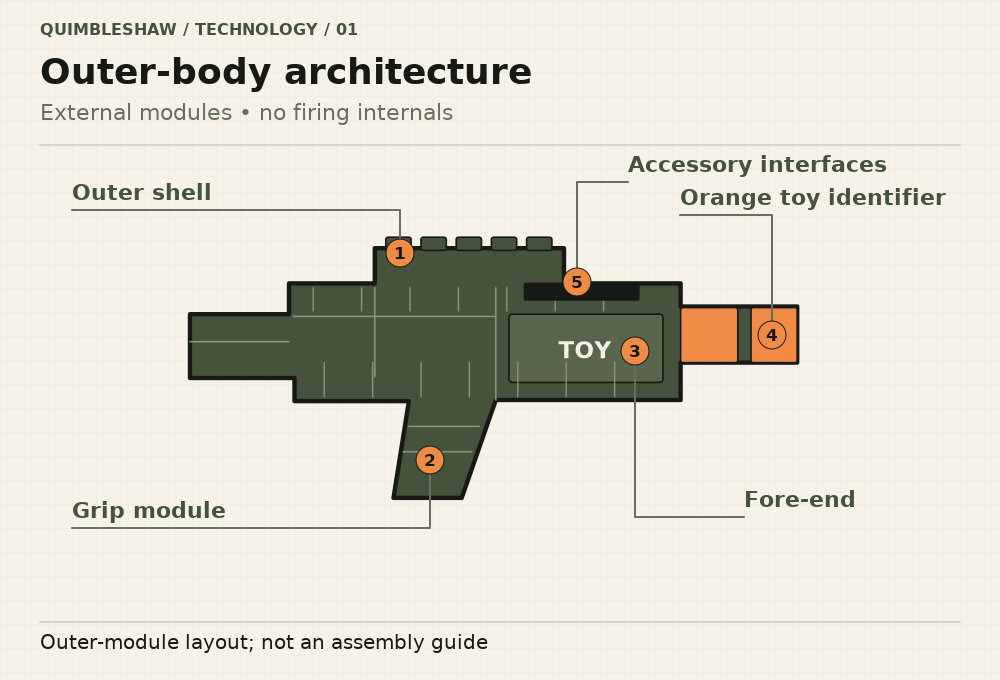
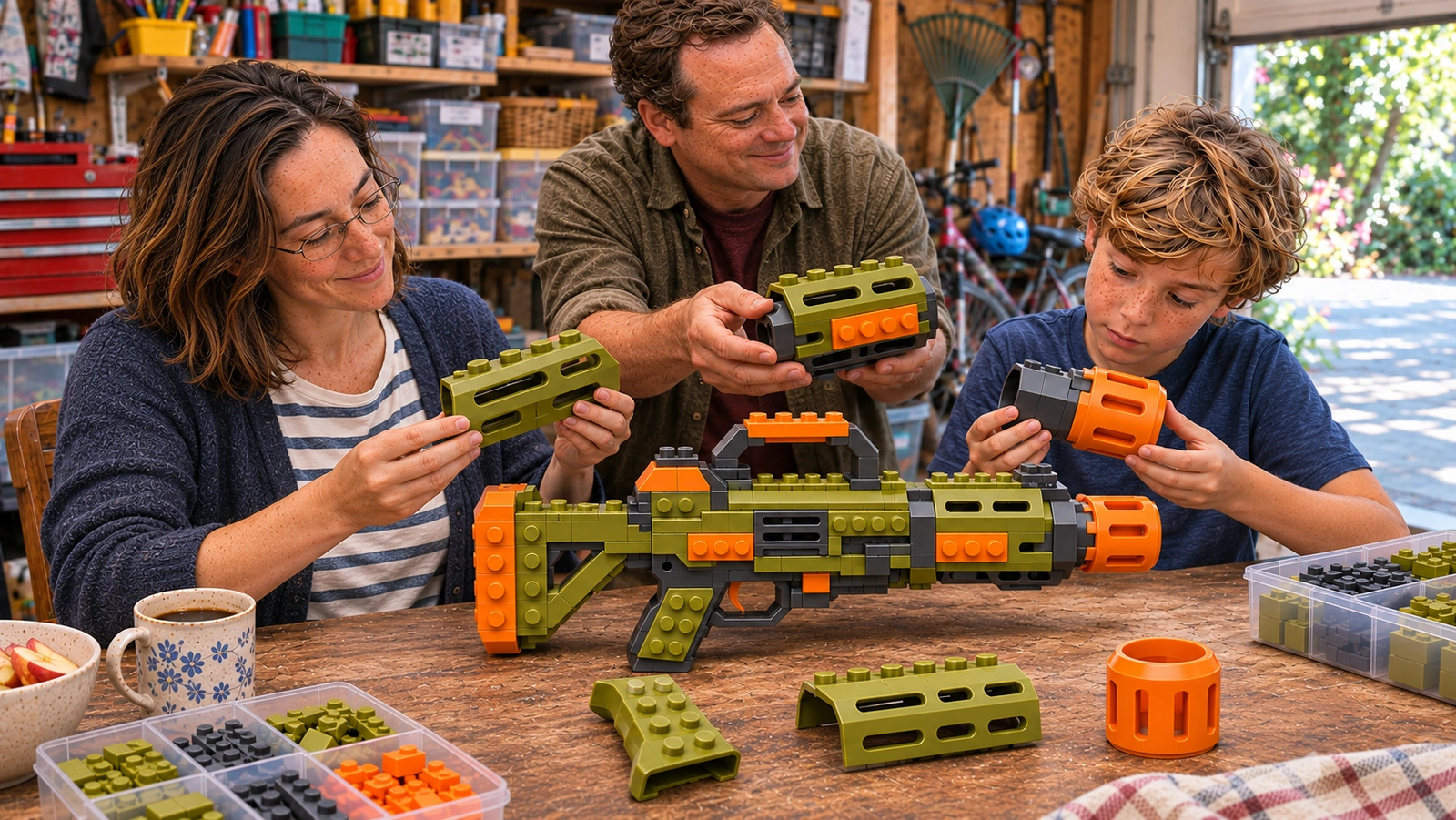
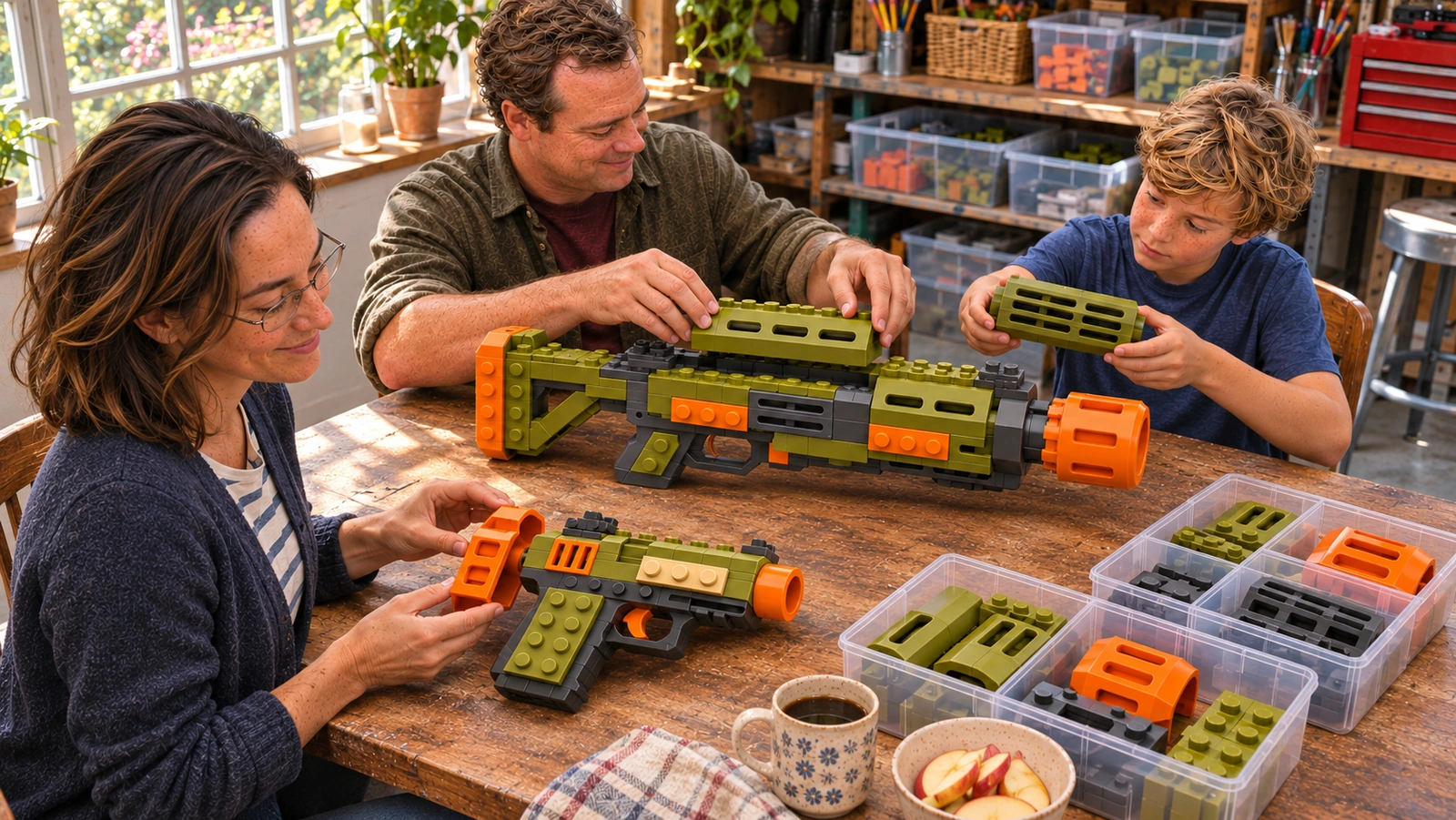
Quimbleshaw Modular Building Blocks describe the brick-built outer form and its rearrangeable external components. Grip, stock, fore-end and outer housing are useful shape words here—not firearm parts.
The engineering distinction is between external modularity and the power-and-projectile system. Changing a toy’s appearance must not be read as permission to modify its controller, battery or projectile parts. As a manufacturer example, Hasbro’s instructions restrict projectile choice and warn against modifying its darts or blaster. [3]

02 / POWER + CONTROL
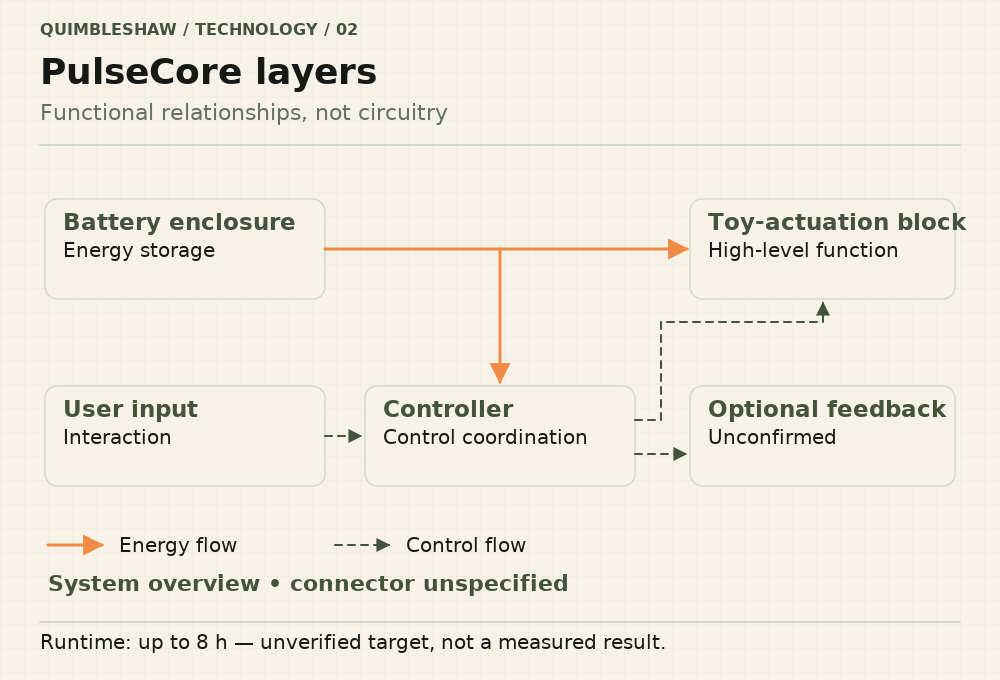
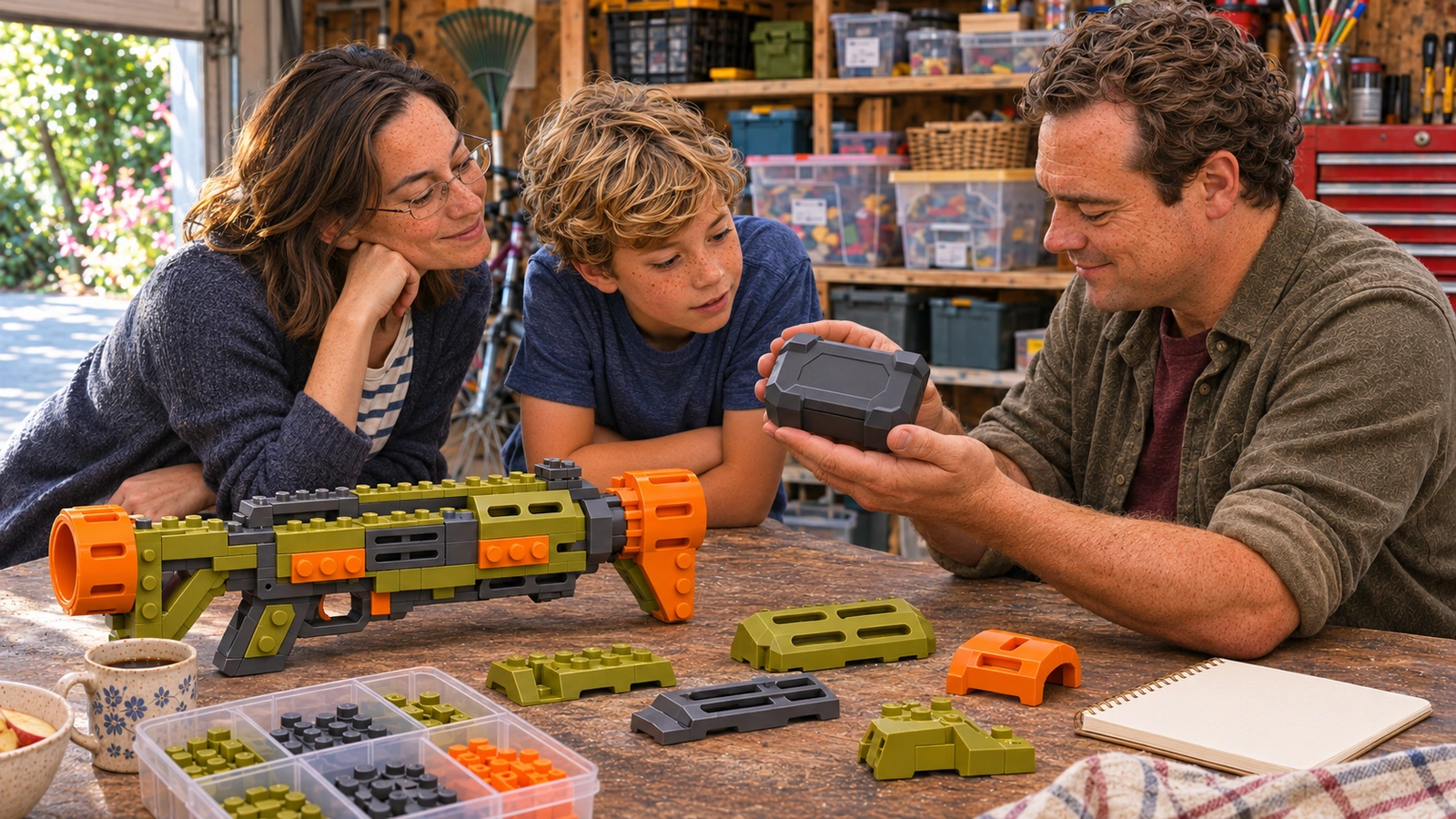
The Quimbleshaw PulseCore Electronic Firing Kit names the intended battery-and-controller system. A battery supplies energy; user input requests an action; the controller coordinates the toy-actuation stage. The diagram separates those roles without claiming a final circuit or mechanism. The intended architecture uses battery power rather than a gas canister, with the controller coordinating repeat-fire requests; actual modes and timing still need model-specific confirmation.
Not a measured result. Cell chemistry, supported modes and duty cycle need confirmation; the charging connector is not confirmed.
Can a player reach the controls comfortably, understand the state and recognise what an action has done? Tactile feedback means understandable toy handling—not a promise of recoil or real-firearm behaviour.
If a lithium-ion battery is selected, US Fire Administration guidance calls for the manufacturer-provided charger and stopping use for warning signs such as unusual heat, odor, swelling or leakage. [5] [6]

03 / MATERIALS + PROJECTILE BEHAVIOUR
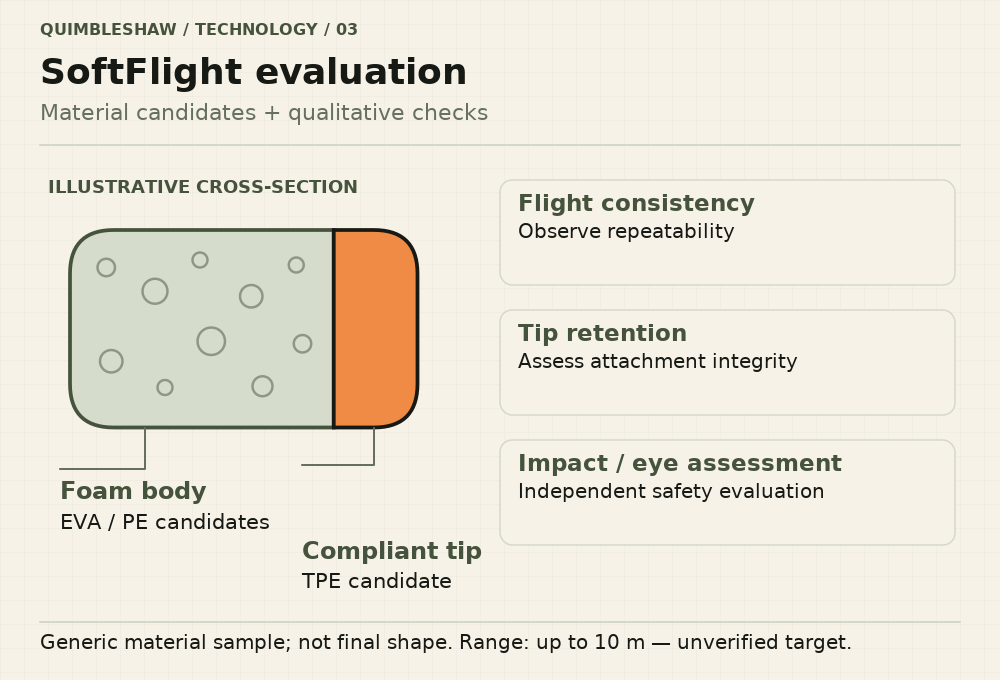
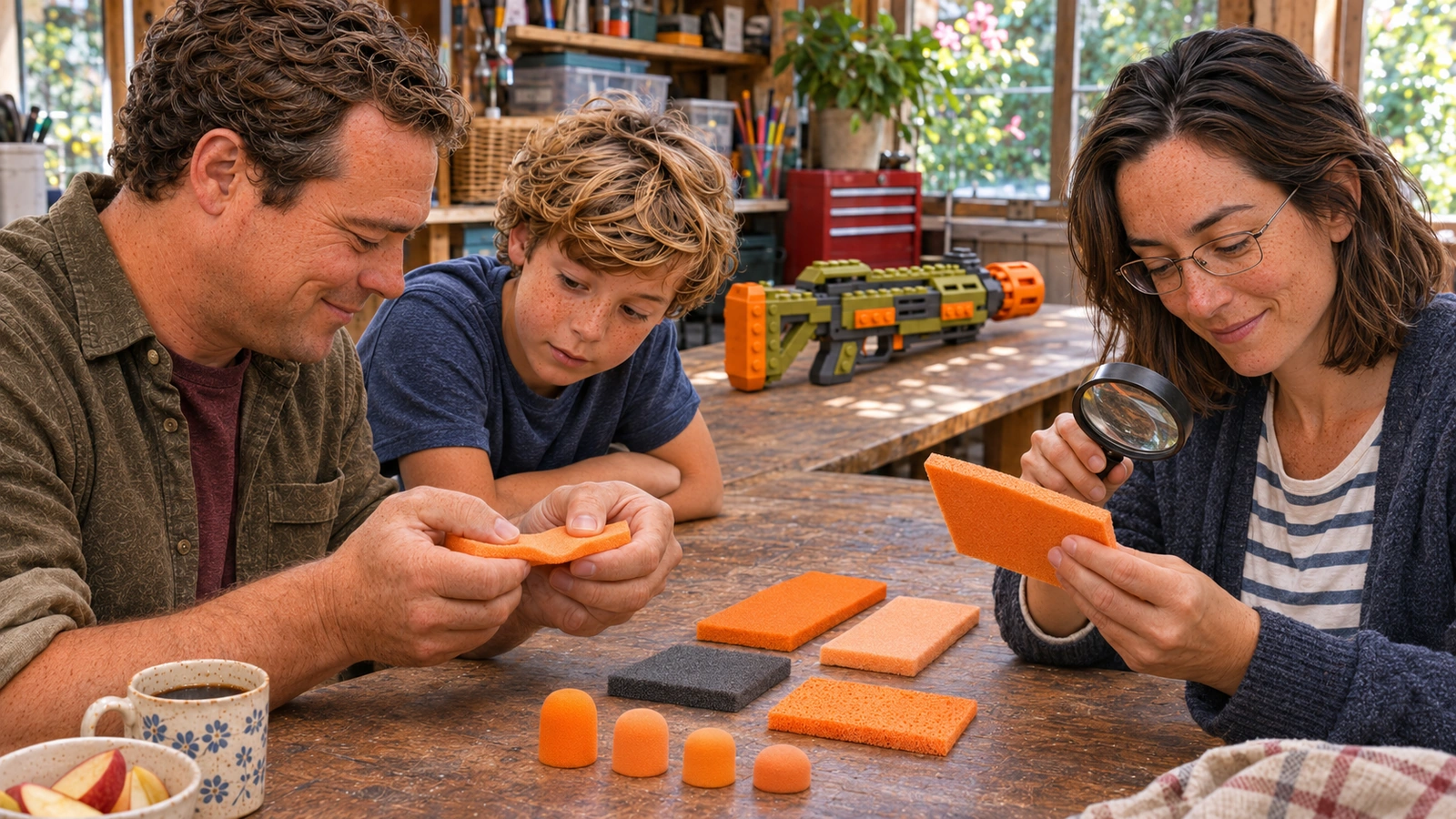
Quimbleshaw SoftFlight Pellets is our term for soft-tip toy projectiles. EVA or polyethylene foam bodies and compliant TPE tips are candidate materials, not a final formula or an established safety result.
Range asks how far a projectile travels. Accuracy asks how close results are to the intended aim point. Consistency describes how tightly repeated results group under the same conditions. Hasbro distinguishes distance-oriented and accuracy-oriented darts and qualifies its range claims by controlled testing. That is a useful industry example, not performance data for SoftFlight. [3]
Not a measured specification or a safe separation distance. Material, shape and finished-projectile behaviour need assessment together.
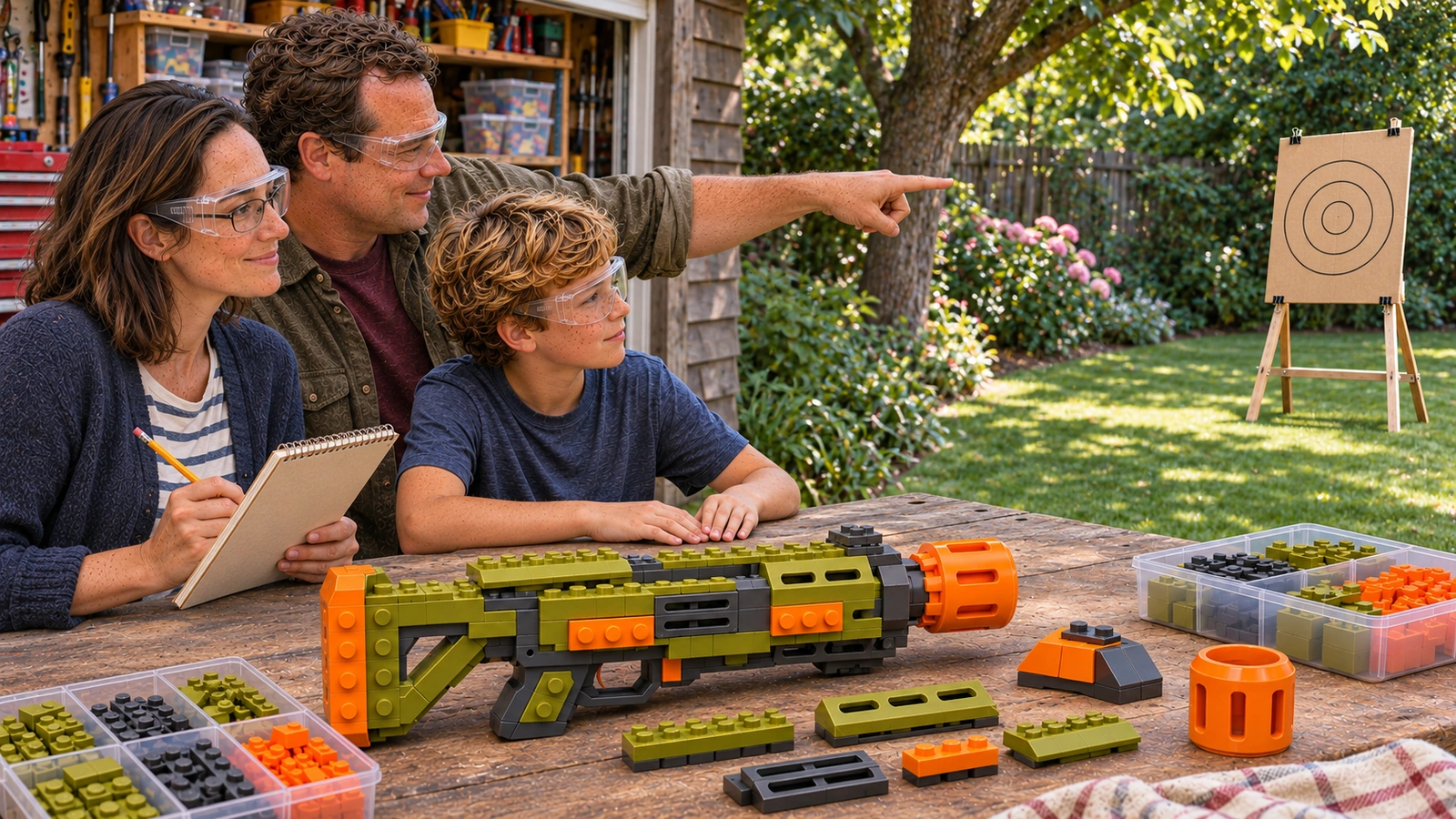
A soft tip alone does not remove eye risk. Hasbro’s cited instructions warn against aiming at eyes or faces and recommend eyewear for players and people within range. [3] Read our toy-safety guidance before planning play.

04 / REPEATABILITY + EVIDENCE
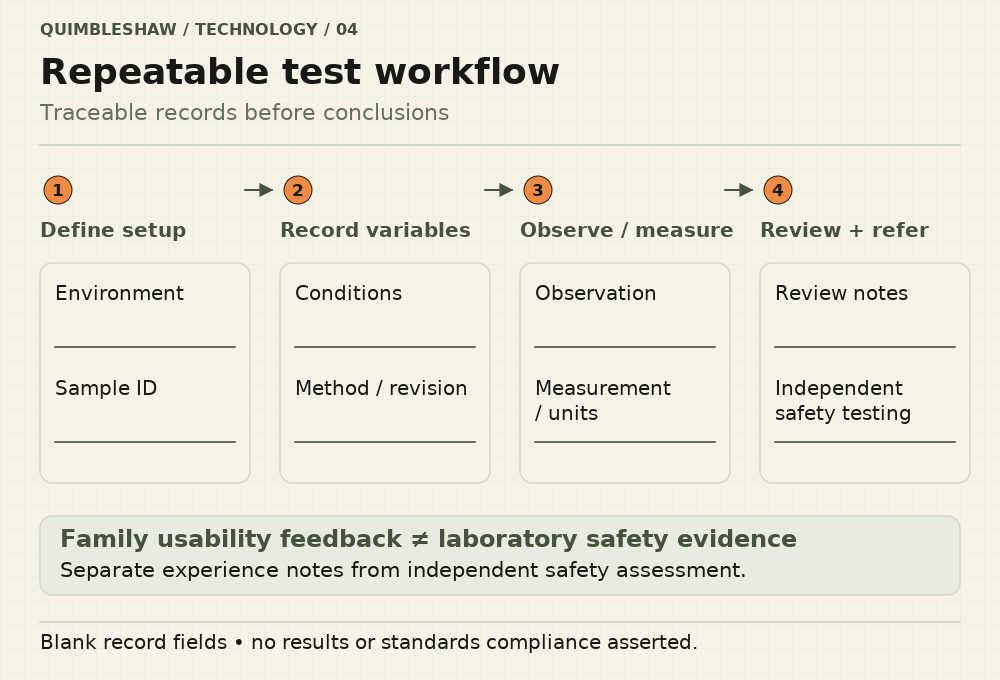
A runtime figure needs a defined operating pattern; a range result needs a defined projectile and setup. Recording the conditions makes a future result interpretable. It does not turn a target into a test result.
ASTM F963-23 separately covers projectile and battery-operated toys, with normal-use and abuse-test categories. Its public overview also distinguishes safety from general performance or quality. [1] The US toy-safety rule requires applicable ASTM provisions; it is not an endorsement of a particular range or runtime. [2]
Quimbleshaw Target Boards are cardboard aiming surfaces for target activities, not proof of projectile containment or a safety-rated backstop. Quimbleshaw Tournaments describe a supervised play format; venue permission, equipment and published age/safety rules still matter.

05 / FAMILY-LED ITERATION
John Quimbleshaw is the founder and technical lead. Samantha Quimbleshaw brings UX and packaging design. Kevin Quimbleshaw is the son and lead family playtester.
Supervised family sessions can explore handling, instructions, external assembly and turn-taking. Useful observations are specific: which step was unclear, which control was hard to reach, or which label was misunderstood?
Family feedback is usability input, not a safety certificate. Where US children’s-product rules apply, the relevant certification requirements rely on third-party testing. [4]
Explore current model pricing in the collection below. Ask about a design’s details, browse the collection below, or use the official glossary to follow the terminology.
SIX EXTERIOR PROFILES / ONE FAMILY
These names describe the collection’s exterior styles. They do not establish firing modes, capacity, accuracy or range. Product images are illustrations; enquire for model-specific details.
Larger support-style body; chunky olive-and-orange exterior.
Explore this design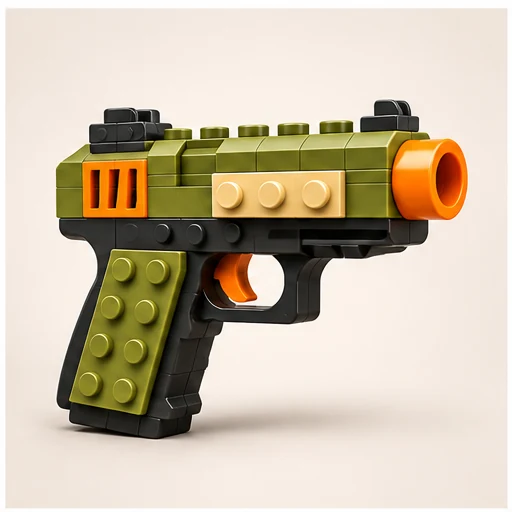
Compact pistol-style toy profile and a shorter outer body.
Explore this design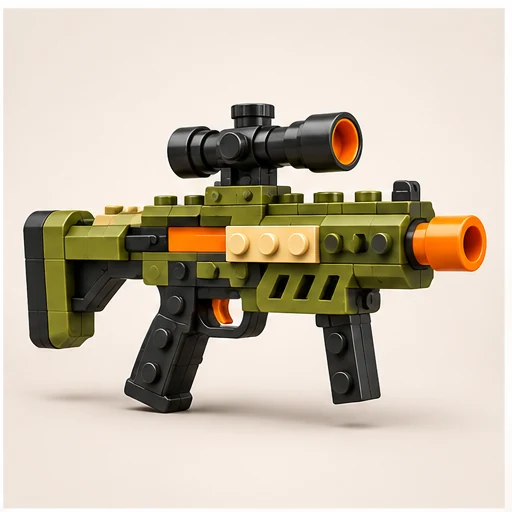
Carbine-style, two-handed silhouette with a brick-built finish.
Explore this design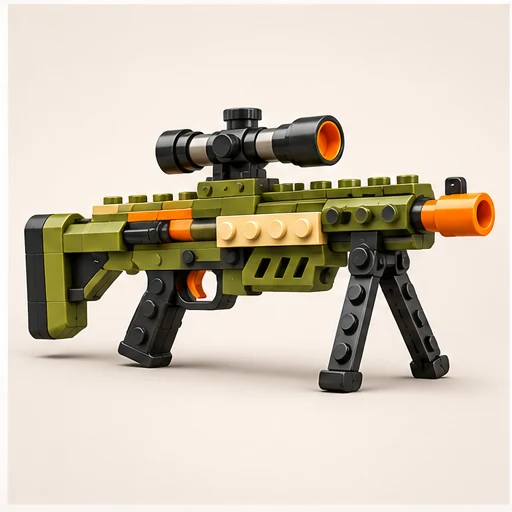
Extended, long-barrel styling; the name is not an accuracy claim.
Explore this design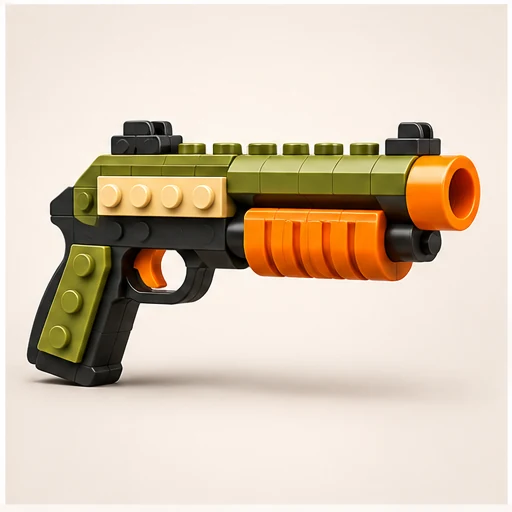
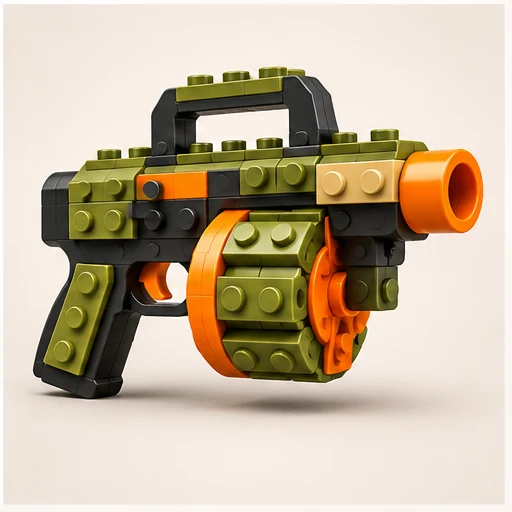
Drum-magazine-style outline; the model name does not specify capacity.
Explore this designREAD THE PRIMARY SOURCES
These documents support the general explanations above. They do not show that Quimbleshaw products have passed testing, or establish an age rating, final material specification or measured performance.
Public overview: projectile and battery-operated toys, normal use and abuse testing; safety scope is not a performance endorsement.
Applicable ASTM F963-23 provisions; not a finding of compliance for this product.
Eye warnings, approved-projectile restrictions and the distinction between distance and accuracy. No affiliation or compatibility is implied.
Testing supporting applicable US children’s-product certification; family feedback is not a substitute.
Manufacturer-supplied charger guidance, conditional on lithium-ion battery use.
Heat, odor, swelling, leakage and unusual noises; conditional on lithium-ion battery use.
Sources checked 22 November 2026. For product-specific use, follow the finished product’s instructions and toy-safety guidance. No affiliation with ASTM or Hasbro is implied.